
How Are Smartphones Changing the Way We Experience Time?
Smartphones shape how we experience time by influencing attention, memory, and the rhythm of our daily routines. They help us track appointments, manage tasks, and revisit moments, but they also change how we sense transitions throughout the day. A phone can make a short break feel filled with discovery, or it can stretch a simple moment through reflection and creativity. Because we carry our phones everywhere, they interact with nearly every part of our schedule. As a result, they play a subtle yet powerful role in how long or short a moment feels, how quickly a day moves, and how we connect with past experiences.
How Smartphones Influence the Flow of Our Daily Rhythm
Guiding Transitions That Shape the Pace of the Day
Phones help people structure their transitions, whether between work and rest or between one task and the next. Many users check schedules, set reminders, or briefly review what comes next as they move through their day. This creates a rhythm that feels more organized and predictable. These small actions shape how time flows because they mark clear boundaries between activities. When someone pauses to check their next step, they gain a sense of direction that makes time feel steadier. A phone may also offer quick breathing or stretching cues that soften tense moments. These transitions, though simple, influence how long or short each part of the day feels, and they make the user more aware of time passing.
Offering Instant Access That Changes How We Use Short Moments
A smartphone turns brief pockets of time into meaningful opportunities. A few minutes waiting for a ride can become a moment to check notes, read something uplifting, or write a small thought. These micro-moments, when used intentionally, create a sense of accomplishment. They also shift how people perceive smaller intervals of time. Instead of feeling like gaps or wasted minutes, they become chances to learn, relax, or reflect. This reshapes the emotional texture of the day. Users begin to see short intervals not as interruptions but as flexible spaces they can use in a personal way. In this sense, smartphones allow people to stretch time by filling it with activities that matter to them.
Helping Users Focus by Creating Conditions for Clarity
Focus influences how time feels. When someone is deeply engaged, minutes feel smooth and uninterrupted. Smartphones help people create focus-friendly environments through quiet modes, calming sounds, or simple planning tools. A user may set a focus session during work, a timer for a break, or a gentle reminder to pause and breathe. These tools guide the user toward clarity and help them stay present. When distractions decrease, the perception of time becomes more balanced. The user feels more in control of their pace. This sense of control creates a healthier relationship with time because it reduces rushing, increases awareness, and encourages more intentional choices throughout the day.
How Smartphones Shape Memory, Reflection, and Our Sense of Duration
Helping People Preserve Memories That Stretch Emotional Time
Smartphones help people record images, sounds, and thoughts quickly. These small captures freeze meaningful details—a quiet morning light, a shared laugh, a creative moment. When users revisit these records, they often relive the emotional weight of the moment, which makes it feel more vivid and longer-lasting. This strengthens personal history. A single day can feel richer because it leaves behind clearer traces. Over time, these recordings form a layered memory that influences how users view their past weeks and months. The more they revisit meaningful moments, the more connected they feel to the time that passed. This creates a slow, reflective sense of time rather than a rushed one.
Encouraging Reflection That Changes How We Value Moments
Reflection plays a major role in how time feels. A smartphone encourages reflection by allowing users to write small notes, create journals, or save ideas. These reflections help them process emotions and understand which moments matter most. When someone looks back at their reflections, the day feels more meaningful and complete. The act of reviewing thoughts also helps them see patterns across weeks or months. This deeper understanding creates an expanded sense of time because the user feels more aware of the emotional story behind their daily life. Reflection transforms simple experiences into meaningful sequences that enrich the perception of time passing.
Supporting Creative Engagement That Expands or Compresses Time
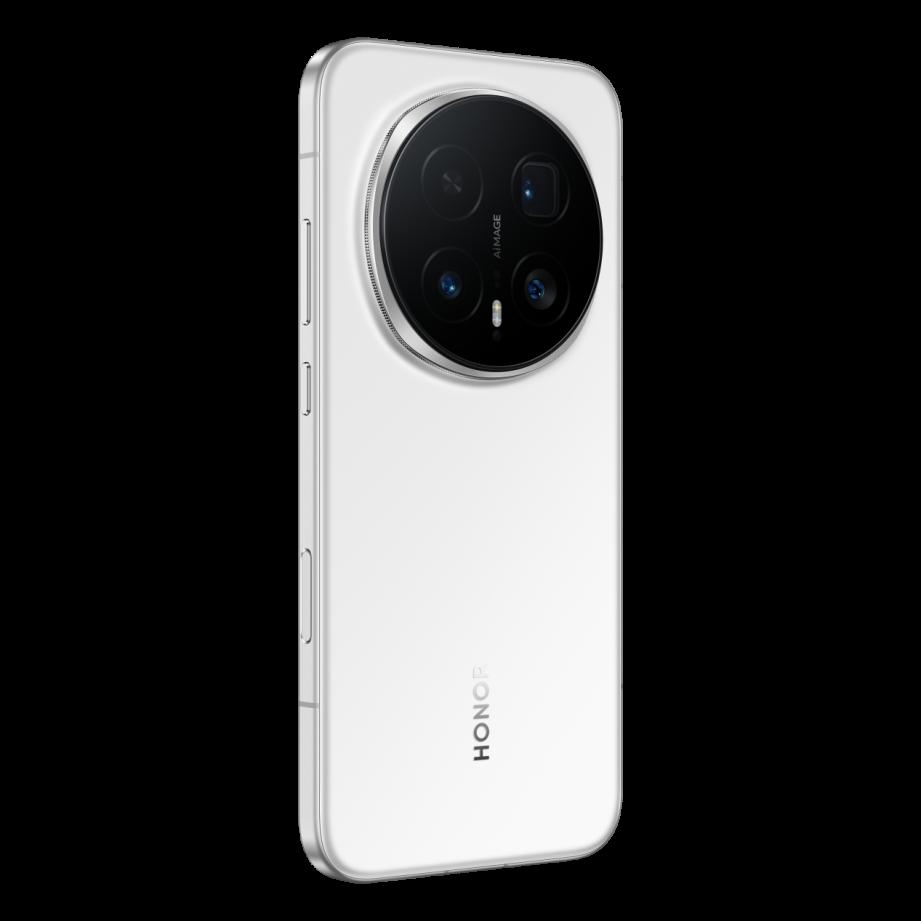
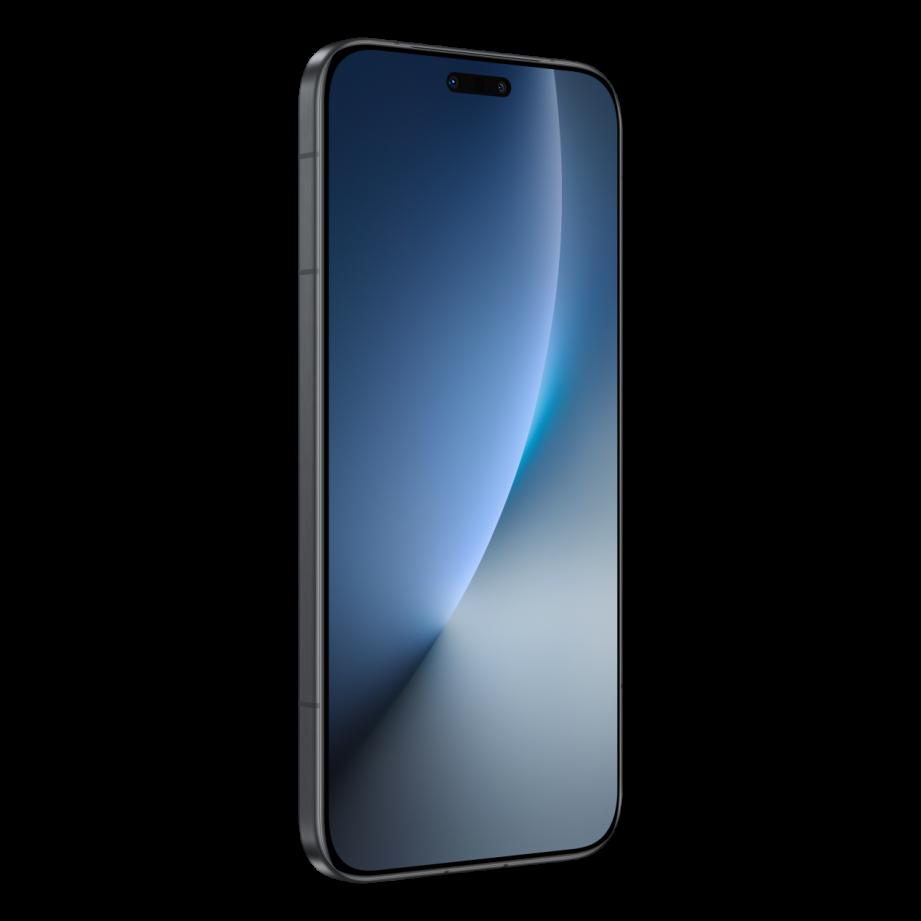
Creativity influences how long or short a moment feels. When people sketch, write, record, or explore ideas, they often enter a flow state. Smartphones make creativity easy to access anywhere. A user may draft a quick idea, capture a sound, or edit a short clip. These activities pull the mind into focused engagement, which can stretch time with depth or compress it through immersion. The balance between expansion and immersion helps users feel more connected to the moment. Creativity also brings joy and curiosity, which naturally enhances the sense of time being well-spent. Many people enjoy how smoothly their device handles these activities, especially when using something like the HONOR Magic8 Pro 5G phone, which keeps creative moments fluid and uninterrupted.
Conclusion
Smartphones change the way we experience time by influencing attention, rhythm, and memory. They guide transitions between tasks, help users make the most of short intervals, and support focus that creates calm, steady moments. They also store meaningful memories, encourage reflection, and allow creativity to reshape our understanding of duration. By blending these elements into daily routines, smartphones create a more textured and intentional sense of time. People feel more connected to their days because they move with clearer purpose and greater awareness. As these habits deepen, time feels richer, smoother, and more aligned with personal meaning.
Leave a Comment